
- All
- Product Name
- Product Keyword
- Product Model
- Product Summary
- Product Description
- Multi Field Search
Views: 0 Author: Site Editor Publish Time: 2026-01-04 Origin: Site


Composting is a technology that reduces the toxicity of products and the content of pathogenic microorganisms through the humification of organic matter. While treating organic pollutants in manure, it can also recover and utilize nutrients such as nitrogen and phosphorus, achieving the goals of harmless and resourceful treatment. The advantages of simple operation and strong applicability of composting make manure composting one of the effective treatment methods for organic pollutants such as livestock and poultry manure in breeding farms. During the composting process, large-molecule organic substances such as sugars, proteins and fats are decomposed by microorganisms to produce humus substances that promote the growth of crops, which can increase soil nutrients and enhance soil fertility.

The existing and mature composting methods are mainly aerobic composting. The aerobic composting process has the advantages of short composting cycle, thorough decomposition and high fertilizer efficiency of the product. At present, the main composting methods include trough aerobic fermentation, molecular membrane covered fermentation, and intelligent aerobic fermentation tanks. The processing cycles and investment land occupation of different composting fermentation methods are all different.
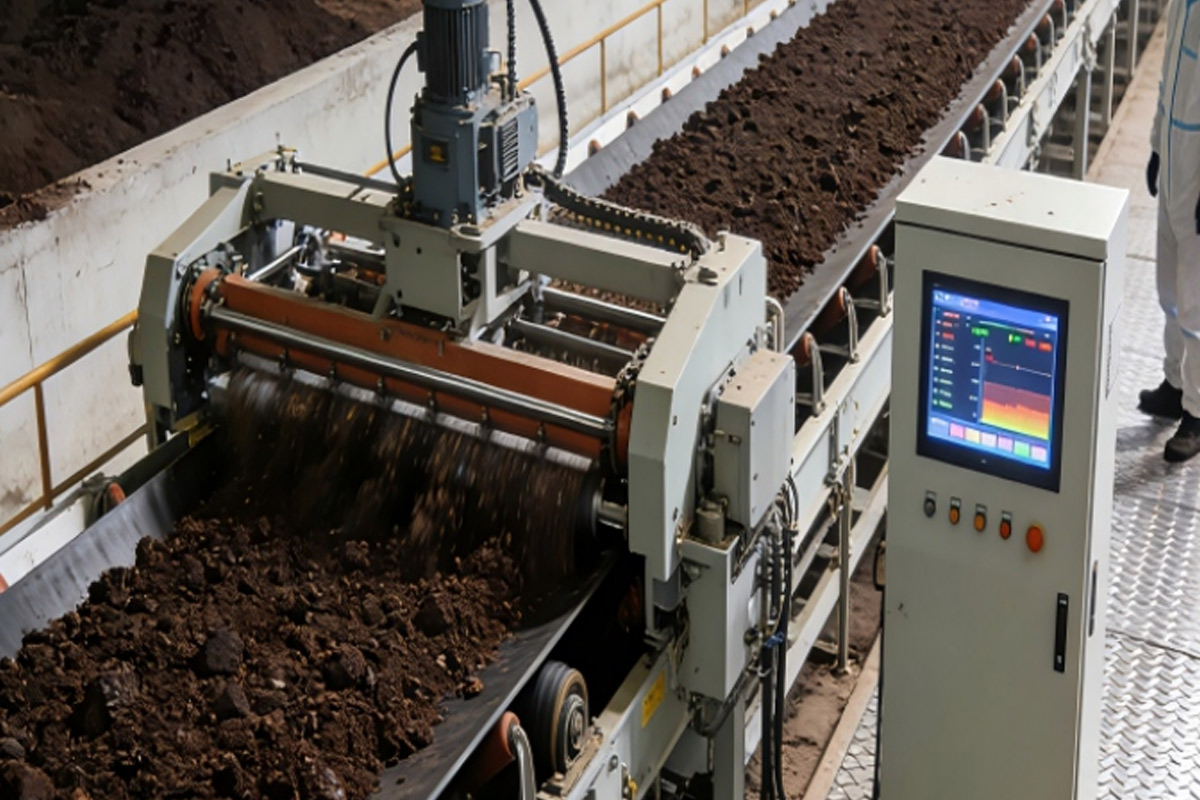
The metabolic cycle of oxygen-rich microorganisms can be divided into the following four stages
(1) Thermostat
This stage mainly involves the high-temperature thermal bending of the macromolecular degradation of soluble organic compounds as molecular bodies. The high-temperature thermal bending of these thermal bending parts is achieved through high-temperature thermal bending and degradation, thereby dissipating the heat of the production products, which leads to the contradiction of solid properties and the gradual release of the thermal bending field energy.
(2) High temperatures will
For the vast majority of patients with delirium fever during this period, the maintained temperature will rapidly rise above 50℃. Usually, during the high-temperature period, the temperature will remain at 55℃ to 65℃, which is conducive to the decomposition of proteins and electrolytes. Meanwhile, as the heat-toxic spray has a strong ability to decompose cellulose and fruit acids, large-molecule and hard-to-degrade substances will start to be decomposed, and 90% of pathogens and microorganisms will be eliminated at this stage.
(3) Constant temperature net
At this stage, due to the increase in temperature, the vast majority of growth will be inhibited, maintaining a dynamic balance between the heat required for growth and the heat generated. At the end of this stage, the organic matter in the heap basically does not shut down, and most of it is subject to physical laws and temperature stagnation.
(4) Chen Wen
At this stage, the mineralization of organic matter decreases, the humification intensifies, and the content of humic acid increases. As the temperature drops to room temperature, the final change eventually stabilizes.


